



Seed Cycling for Hormone Harmony in Perimenopause

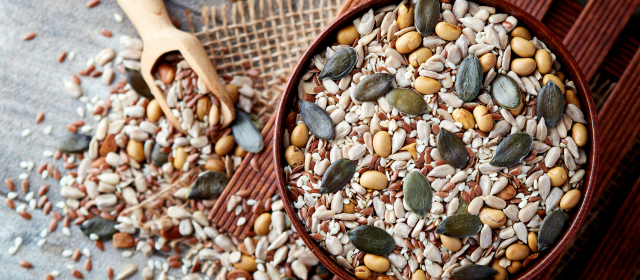
Hormonal changes during perimenopause can affect much more than your menstrual cycle. Fluctuating and declining levels of oestrogen and progesterone can influence energy, mood, sleep, weight, skin health and overall wellbeing.
Whilst these changes are a natural part of ageing, many women look for ways to support their health and manage symptoms through diet and lifestyle.
If you'd like to learn more about the role nutrition and lifestyle can play during this stage of life, you may also enjoy my article: Can Nutrition and Lifestyle Medicine Really Help You Have a Better Menopause?
One approach that has gained popularity in recent years is seed cycling.
In this article, we'll explore what seed cycling is, how it works, how to follow a seed cycling protocol, and what the research currently says.
Can what you eat affect your hormones?
Absolutely. Whilst diet can't stop the hormonal changes that occur during perimenopause and menopause, it can have a significant impact on how you feel.
A hormone-supportive diet is one that helps to balance blood sugar levels, provides adequate protein, includes plenty of fibre, contains healthy fats and is rich in nutrient-dense wholefoods. These foundations can help support energy levels, mood, cravings, weight management and overall wellbeing during midlife.
If you're not sure where to start, breakfast is often one of the easiest places to make a difference. My free 3-Day Breakfast Fix will show you how to build balanced breakfasts that support blood sugar balance, energy and cravings.
You may also have heard of phytoestrogens. These are naturally occurring plant compounds that have a weak oestrogen-like effect in the body and are found in foods such as soy products, flaxseeds, lentils, chickpeas and beans.
Here's how seed cycling works for hormone balance:
One nutrition approach that has gained popularity in recent years is seed cycling. Seed cycling involves eating specific seeds during different phases of the menstrual cycle, with the aim of supporting hormonal health naturally.
The first phase uses flaxseeds and pumpkin seeds, whilst the second phase uses sesame seeds and sunflower seeds. The theory is that the nutrients and plant compounds found in these seeds may help support hormone health and healthy oestrogen metabolism throughout the menstrual cycle.
Whilst there is currently limited research specifically investigating seed cycling, many women find it an interesting and simple practice to try. Seeds are also a nutritious addition to the diet, providing fibre, healthy fats, vitamins and minerals that support overall health.
Here's how to follow a seed cycling protocol:
Here's how to follow a seed cycling protocol
For those with a regular menstrual cycle
Days 1-14
1 tbsp freshly ground flaxseed
1 tbsp pumpkin seeds
Days 15-28
1 tbsp sunflower seeds
1 tbsp sesame seeds
For those with irregular periods or who are postmenopausal
If your periods have become irregular or have stopped altogether, follow each phase for two weeks at a time rather than following calendar days of your cycle.
Weeks 1 and 2
1 tbsp freshly ground flaxseed
1 tbsp pumpkin seeds
Weeks 3 and 4
1 tbsp sunflower seeds
1 tbsp sesame seeds
You can start at any point and continue repeating the four-week cycle.
Optional Additional Supplement Support
Some practitioners also recommend additional fatty acid support alongside seed cycling.
For those with a regular menstrual cycle
Days 1-14
2000mg fish oil (combined EPA/DHA)
Days 15-28
2000mg of borage oil, blackcurrant seed oil or evening primrose oil (supplying approximately 400mg gamma-linolenic acid)
For those with irregular periods or who are postmenopausal
Weeks 1 and 2
2000mg fish oil (combined EPA/DHA)
Weeks 3 and 4
2000mg of borage oil, blackcurrant seed oil or evening primrose oil (supplying approximately 400mg gamma-linolenic acid)
*These supplements are optional and are not an essential part of seed cycling.
What does the research say about seed cycling?
Whilst many women report positive experiences with seed cycling, scientific research specifically investigating seed cycling is currently limited.
Much of the interest in seed cycling comes from the nutritional benefits of the seeds themselves. Flaxseeds, pumpkin seeds, sesame seeds and sunflower seeds provide fibre, healthy fats, vitamins, minerals and plant compounds that can support overall health.
More research is needed to determine whether seed cycling itself has specific effects on hormone balance or menopausal symptoms.
Final thoughts
Whether or not you choose to try seed cycling, including a variety of seeds in your diet can be a simple way to increase your intake of fibre, healthy fats and important nutrients.
The seeds used in seed cycling are rich in fibre, healthy fats and plant compounds that may help support overall health during perimenopause and menopause, regardless of whether you choose to follow a strict seed cycling protocol.
If you're struggling with symptoms during perimenopause or menopause, remember that seed cycling is only one piece of the puzzle. A balanced diet, adequate protein, good sleep, stress management and regular movement all play an important role in supporting hormone health and wellbeing during midlife. If sleep is a particular challenge for you, you may also find my article on improving sleep in midlife helpful.
Ready to take the next step?
If you're interested in learning more about how nutrition can support you through perimenopause and menopause, you might like my Midlife Nutrition Reset programme. It brings together the key nutrition and lifestyle strategies I use with clients to support energy, cravings, weight management and overall wellbeing during midlife.
Find out more about the Midlife Nutrition Reset here.


myplace@test.com